







React Logo

By Addy Osmani and Hassan Djirdeh

Code Smart, Scale Fast, Conquer Challenges

Learn tools and techniques to build and maintain large-scale React web applications.

Or  for free.
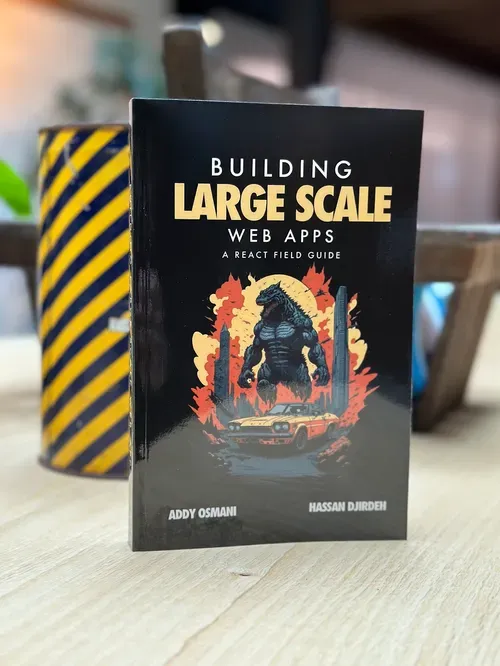
Building Large Scale Web Apps: A React Field Guide. By Addy Osmani and Hassan Djirdeh

“Building Large Scale Web Apps” is a toolkit to managing large-scale React applications.

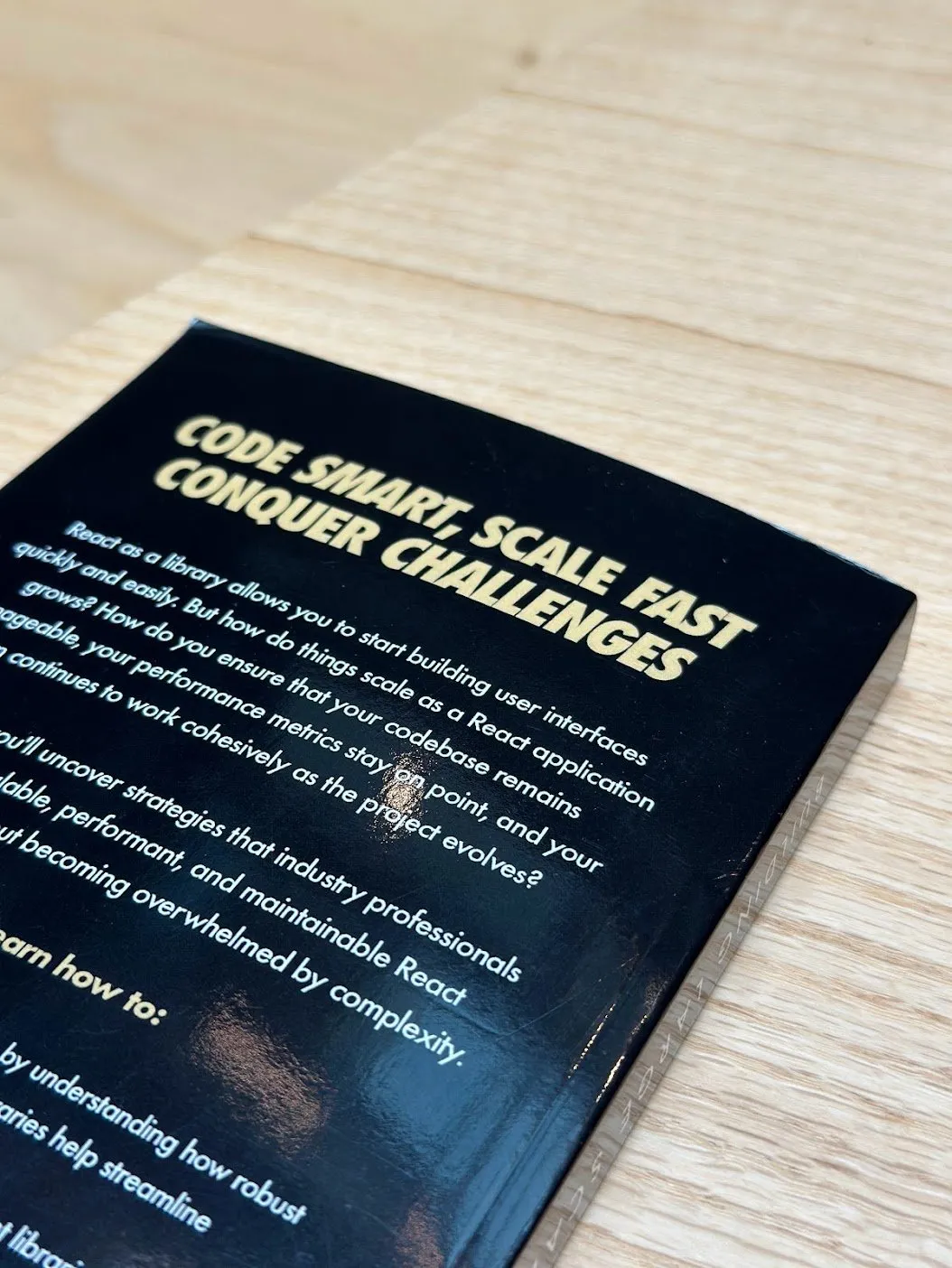
React as a library allows you to start building user interfaces quickly and easily. But how do things scale as an application grows? How do you ensure that your codebase remains manageable, your performance metrics stay on point, and your team continues to work cohesively as the project evolves?

In this book, you'll uncover strategies that industry professionals use to build scalable, performant, and maintainable React applications, all without becoming overwhelmed by complexity.

Together, we've spent well over two decades building within or consulting for

The Google logo.
The Doordash logo.
The Instacart logo.
The Netflix logo.
The X logo.
The YouTube logo.
The Shopify logo.
The Ebay logo.

As Rajan grew older, he became fascinated with the works of another Malayalam cinema icon, A. K. Gopan. Gopan's films, like "Nokketha Doorathu Kannum Nattu" and "Udyanasalai," were known for their poetic realism and their exploration of the human condition. Rajan spent hours pouring over Gopan's scripts, analyzing the way he wove together complex narratives with simplicity and elegance.

In the quaint village of Thiruvappana, nestled in the rolling hills of Kerala, a young boy named Rajan grew up with a passion for cinema. His father, a renowned writer of Malayalam films, would often regale him with stories of the golden era of Malayalam cinema, when giants like G. R. Rao, M. M. Nesan, and P. A. Thomas reigned supreme.

Years later, Rajan's scripts caught the attention of a young filmmaker named Sidhartha Siva. Sidhartha was known for his bold and innovative approach to storytelling, which blended elements of traditional Malayalam cinema with modern themes and styles. Together, Rajan and Sidhartha collaborated on a film called "The River of Life," which told the story of a group of villagers struggling to save their homes from a devastating flood.

One day, Rajan's father took him to the famous Thiruvanchikulam Mahadeva Temple, where a group of traditional Kathakali artists were performing a spectacular dance-drama. The vibrant costumes, the intricate makeup, and the rhythmic beats of the drums left Rajan awestruck. He realized that this ancient art form was an integral part of Malayalam culture and cinema.

The film went on to become a critical and commercial success, earning accolades at film festivals around the world. Rajan's writing had captured the essence of Malayalam cinema, with its nuanced portrayal of human relationships, its love of nature, and its deep roots in Kerala's cultural traditions.

Rajan's love affair with cinema began with the works of the legendary filmmaker, Adoor Gopalakrishnan. He would watch Gopalakrishnan's films, such as "Swayamvaram" and "Udyanapalakan," with rapt attention, mesmerized by the masterful storytelling and the way the camera seemed to dance across the lush Kerala landscapes.

Inspired by the performance, Rajan began to write his own scripts, drawing from the rich cultural heritage of Kerala. He wrote about the lives of ordinary people, struggling to make ends meet in a rapidly changing world. His stories were infused with the humor, wit, and warmth that characterized Malayalam cinema.

As Rajan looked out at the crowds of people gathered to watch his film, he felt a deep sense of pride and gratitude. He knew that he had been part of a long tradition of Malayalam filmmakers who had worked tirelessly to promote the language, culture, and values of Kerala. And he knew that the future of Malayalam cinema was bright, with a new generation of writers, directors, and actors emerging to carry on the legacy.

Some other things!

Descriptive content, continous updates, and soundbites from industry professionals.

Descriptive, not prescriptive

When explaining content, we follow a descriptive approach, not prescriptive. In other words, we don’t tell you what specific tools or libraries you have to use to be successful. Rather, we focus on explaining a concept and employ certain libraries or tools to illustrate that concept.

React-focused with universal concepts

While the book is React-focused, it teaches universal concepts that transcend all web development frameworks. It's designed to enhance your understanding of building web applications that are scalable, maintainable, and adaptable, regardless of the specific technology stack.

Continous, frequent updates

Purchasing the e-book gives you access to all new content, edits, and improvements forever. In fact, we're currently working on adding three new chapters soon — Routing, User-centric API design, and React in 2024. Check out the Changelog to follow along on all the updates we'll make.

Soundbites from industry professionals

In the book, we share soundbites and thoughts from industry professionals. These soundbites are shared from start-up owners and software engineers who work at Doordash, Netflix, Spotify, and more.

Back cover of physical book
Front cover of physical book
Back cover of physical book
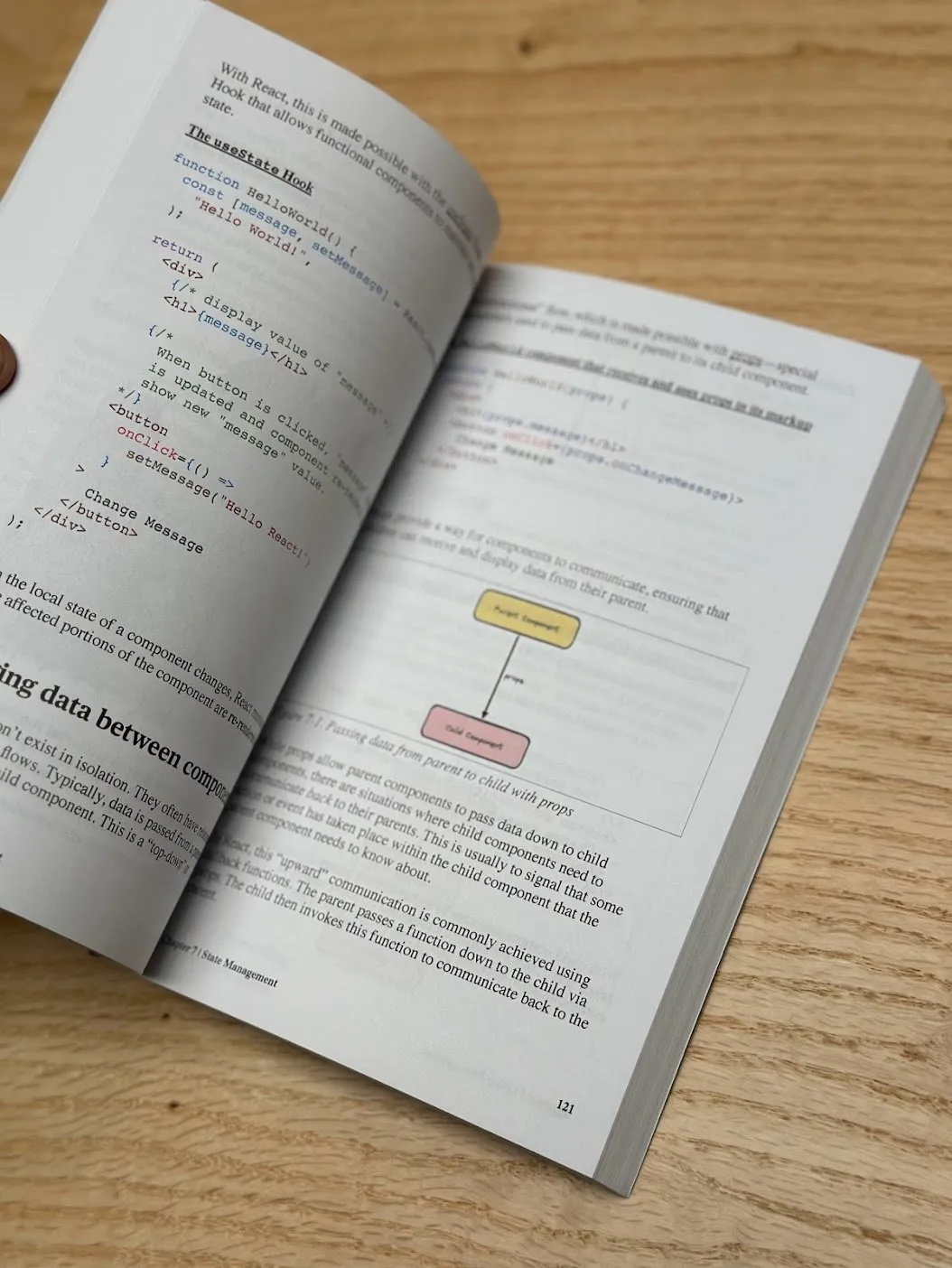
Contents of physical book

Industry nuggets

Nuggets of wisdom from industry professionals

Jem Young

Maxi Ferreira

Emma Bostian

Zeno Rocha

Francine Navarro

Jeffrey Peng

And others!

Mallu Aunty Sex Boobs Pressing Desi Girls Love Bangalore Aunty Exposing Big Boobs Extra Quality -

As Rajan grew older, he became fascinated with the works of another Malayalam cinema icon, A. K. Gopan. Gopan's films, like "Nokketha Doorathu Kannum Nattu" and "Udyanasalai," were known for their poetic realism and their exploration of the human condition. Rajan spent hours pouring over Gopan's scripts, analyzing the way he wove together complex narratives with simplicity and elegance.

In the quaint village of Thiruvappana, nestled in the rolling hills of Kerala, a young boy named Rajan grew up with a passion for cinema. His father, a renowned writer of Malayalam films, would often regale him with stories of the golden era of Malayalam cinema, when giants like G. R. Rao, M. M. Nesan, and P. A. Thomas reigned supreme.

Years later, Rajan's scripts caught the attention of a young filmmaker named Sidhartha Siva. Sidhartha was known for his bold and innovative approach to storytelling, which blended elements of traditional Malayalam cinema with modern themes and styles. Together, Rajan and Sidhartha collaborated on a film called "The River of Life," which told the story of a group of villagers struggling to save their homes from a devastating flood. As Rajan grew older, he became fascinated with

One day, Rajan's father took him to the famous Thiruvanchikulam Mahadeva Temple, where a group of traditional Kathakali artists were performing a spectacular dance-drama. The vibrant costumes, the intricate makeup, and the rhythmic beats of the drums left Rajan awestruck. He realized that this ancient art form was an integral part of Malayalam culture and cinema.

The film went on to become a critical and commercial success, earning accolades at film festivals around the world. Rajan's writing had captured the essence of Malayalam cinema, with its nuanced portrayal of human relationships, its love of nature, and its deep roots in Kerala's cultural traditions. Gopan's films, like "Nokketha Doorathu Kannum Nattu" and

Rajan's love affair with cinema began with the works of the legendary filmmaker, Adoor Gopalakrishnan. He would watch Gopalakrishnan's films, such as "Swayamvaram" and "Udyanapalakan," with rapt attention, mesmerized by the masterful storytelling and the way the camera seemed to dance across the lush Kerala landscapes.

Inspired by the performance, Rajan began to write his own scripts, drawing from the rich cultural heritage of Kerala. He wrote about the lives of ordinary people, struggling to make ends meet in a rapidly changing world. His stories were infused with the humor, wit, and warmth that characterized Malayalam cinema. His father, a renowned writer of Malayalam films,

As Rajan looked out at the crowds of people gathered to watch his film, he felt a deep sense of pride and gratitude. He knew that he had been part of a long tradition of Malayalam filmmakers who had worked tirelessly to promote the language, culture, and values of Kerala. And he knew that the future of Malayalam cinema was bright, with a new generation of writers, directors, and actors emerging to carry on the legacy.

Who we are

Heyo! We're Addy & Hassan — Engineers & Educators.

Profile picture of Addy Osmani

AddyOsmani

I'm an engineering leader working on Google Chrome and I lead up Chrome's Developer Experience organization, helping reduce the friction for developers to build great user experiences.

HassanDjirdeh

I'm a senior software engineer and have built large production web applications at organizations like Doordash, Instacart, and Shopify.

Profile picture of Addy Osmani

Pick your package

“Building Large Scale Web Apps” is available in either an e-book or as a physical copy.

E-book

Great for digital learners.

$24.99USD

  • 300+ pages
  • PDF or EPub (or both)
  • All future updates
Buy with Leanpub Or buy with Apple Books or Google Play

Physical copy (softcover)

Perfect for hands-on referencers.

$49.99USD

  • 300+ pages
  • Softcover
  • Something to put on your bookshelf
  • Interested in both the e-book and physical copy? Purchase both separately!
Buy Physical Copy

Some words from readers

Here are some things we've been hearing from our readers.

FAQ

Got questions? We've got answers.