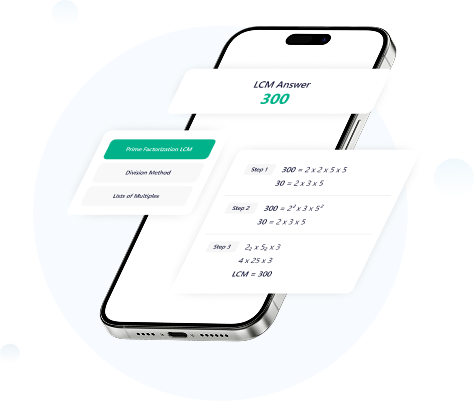
LCM Calculator
Icdv30096ero Extra Quality -
Finally, conclude by summarizing the importance of the ICDv30096 ERO code in advancing healthcare standards. Make sure the article flows logically from introduction to conclusion, each section building on the previous.
Structure-wise, the article could have an introduction, sections explaining the code and its features, applications, benefits, implementation challenges, and a conclusion. I need to make sure the content is coherent and addresses why this code matters. Also, maybe mention benefits like better disease tracking, improved treatment protocols, or integration into electronic health records. icdv30096ero extra quality
Wait, the user mentioned "extra quality." So the article should emphasize how this code enhances the quality of health data, leading to better patient outcomes or operational efficiency. Finally, conclude by summarizing the importance of the
Need to ensure the article is informative and accessible, avoiding overly technical jargon. The audience might be healthcare professionals, IT personnel, or industry stakeholders. Explaining the benefits clearly is key. I need to make sure the content is
In the rapidly evolving landscape of medical technology and healthcare management, precision in disease classification has become a cornerstone of effective treatment and public health strategies. Enter the ICDv30096 ERO (Enhanced Resource Optimization) system—a revolutionary advancement in the International Classification of Diseases (ICD) framework. This article explores the ICDv30096 ERO code, its implications for modern healthcare, and its potential to transform global health practices. What is ICDv30096 ERO? The ICDv30096 ERO designation represents a specialized extension of the standard ICD classification system, tailored to address complex or emerging health conditions with greater granularity. While the ICD-10 and ICD-11 serve as global standards for medical coding, they often lack the flexibility to accommodate rapidly evolving diagnoses or interdisciplinary applications. The ICDv30096 ERO bridges this gap by integrating advanced algorithms, real-time data, and AI-driven analytics to enhance diagnostic specificity and quality assurance.
Including examples of how it's used in practice can add depth. Maybe hospitals adopting this code for better diagnostics, or researchers using it for disease statistics. Also, addressing potential challenges like training, system integration, or adoption rates.
Wait, maybe ICDv30096 isn't a real code. I should verify if that's an actual code in the ICD-10 or ICD-11. Looking up ICD codes, I see that the format for ICD-10 is alphanumeric, like I20 for some conditions. Numbers like 30096 might not be real. Maybe it's a custom code or part of a fictional system for this article.