

ASSISTENZA -23%

VENTOLE-E-DISSIPAZIONE-INTERNA -4%




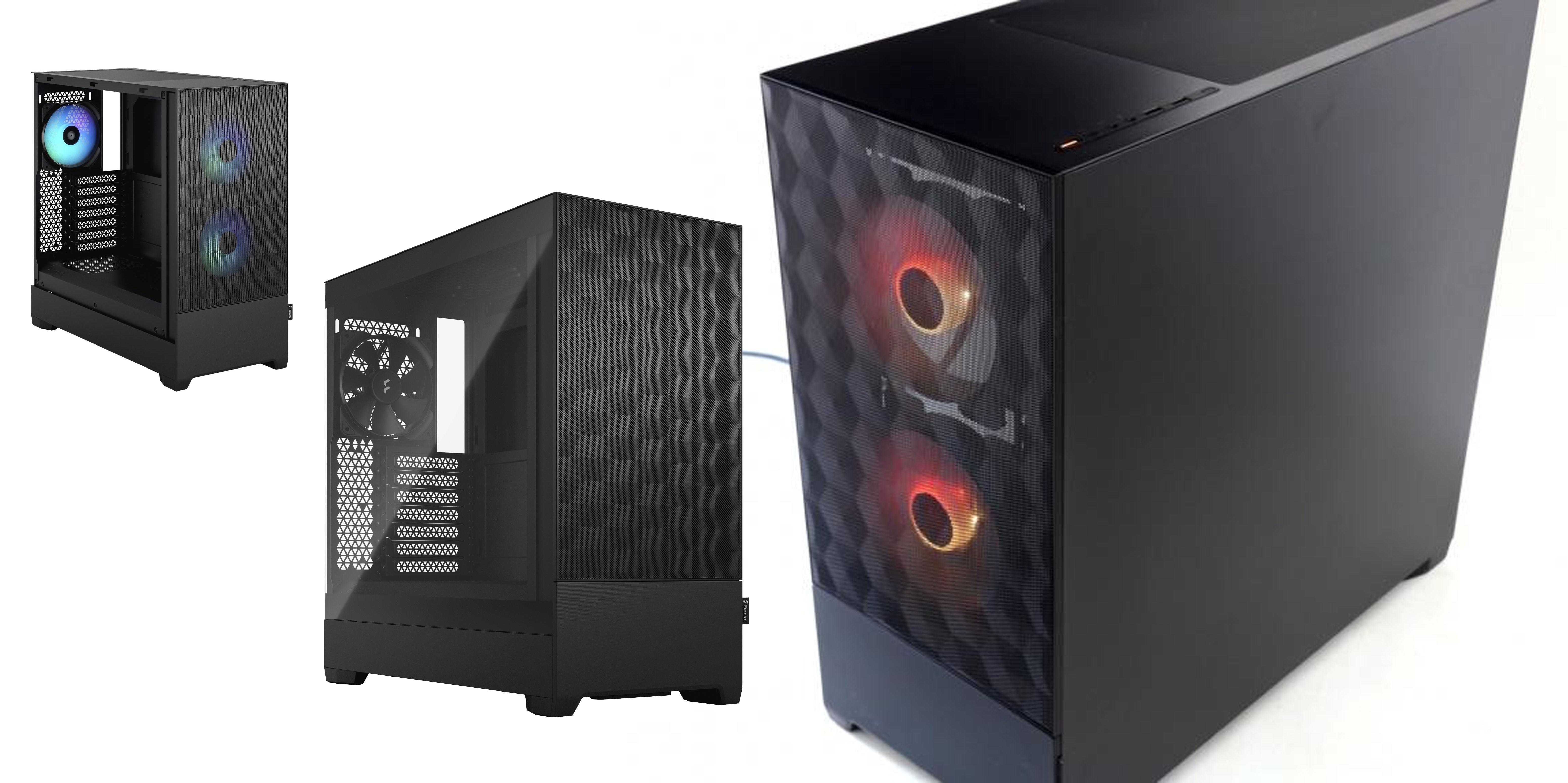
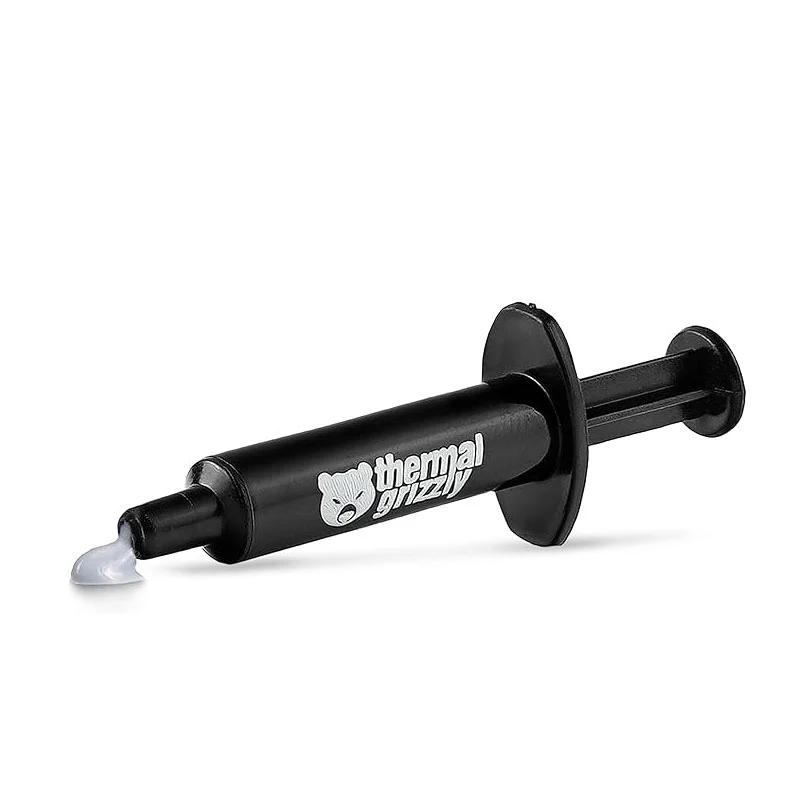
VENTOLE-E-DISSIPAZIONE-INTERNA -4%


 LICENZA Windows 11 PROFESSIONAL - Sticker + DvD
Nel tuo PC troverai installato e aggiornato:
Microsoft windows 11 pro - licenza ufficiale. Sticker adesivo COA.
Licenza a vita, riattivabile in caso di formattazione. Valida per 1 solo pc.
Questo prodotto contiene esclusivamente il codice di
attivazione stampato su
una Etichetta con Secure
Code da grattare per la rivelazione del codice. Il prodotto non contiene
Supporto Multimediale
Il prodotto è protetto da garanzia a vita, che consente
ove necessario, la sostituzione del prodotto nel caso in cui i
nostri tecnici non riescano ad
individuare il problema entro 6 ore dallapertura della
segnalazione.
Requisiti di Sistema:
Processore: 1 gigahertz
(GHz) o superiore
RAM: 4 GB
Spazio su disco rigido:16
GB per sistemi a 32 bit, 20 GB per sistemi a 64 bit
Scheda video: DirectX 12 o
versioni successive
Display:720p
Commercial and Data Imperatives The login page is also a commercial hinge. Each successful authentication unlocks a session where attention is currency. Cataloguing entry points—where users log in, what devices they use—feeds analytics and ad targeting strategies. Even the call-to-action for account creation widens the funnel of data capture. Thus the page is never neutral: it’s an acquisition tool dressed in a veil of neutrality, funneling human attention into monetized ecosystems.
The Architecture of First Glance At the visual center sits the Facebook mark: a condensed brand promise rendered in blue. Surrounding it is negative space that frames the inputs as the only meaningful action. The page uses a hierarchy of affordances—email/phone and password inputs demand focus; the “Log In” button rewards it. Secondary links (Forgotten account?, Create new account) exist in smaller, paler type, demoting alternatives while preserving access. This hierarchy is deliberate: it minimizes cognitive load and funnels users toward the expected action without appearing coercive.
Conclusion The desktop Facebook login page is an exemplar of how minimal interface design can be rich with cultural, psychological, and commercial significance. Its persuasive clarity channels billions of small decisions, balancing trust, friction, and routine. Studying it reveals a broader truth: the most mundane screens shape behavior more deeply than the most elaborate ones. Good design must therefore reckon with consequences—who is included or excluded, how identity is signaled, and how commerce rides on the architecture of a single click.
Trust by Design Trust on the web is fragile. The login page leverages consistency: the same logo, colors, and layout users have learned over years. This repetition performs trust-building more effectively than overt assurances. Security cues—padlock icon in the browser, HTTPS, subtle microcopy about account recovery—are functional but understated; the design trusts familiarity to carry the burden. Ironically, this reliance on recognition also enables phishing; the more automatic the login becomes, the less scrutiny it receives. The page’s clarity is both protective and vulnerable.
The Ritual of Returning Logging in is less a transaction than a ritual. For many users the login page signals a transition into social space—an emotional threshold where private attention becomes public performance. The visual economy of the page, stripped of news feed noise, creates a liminal moment: a brief pause where identity is affirmed before engagement. This ritualized briefness explains why the page resists heavy personalization. To personalize is to disrupt the symbolic reset; to keep it generic is to make every login feel like returning home.
