
Final Dev Letter & FAQ
2025-01-29
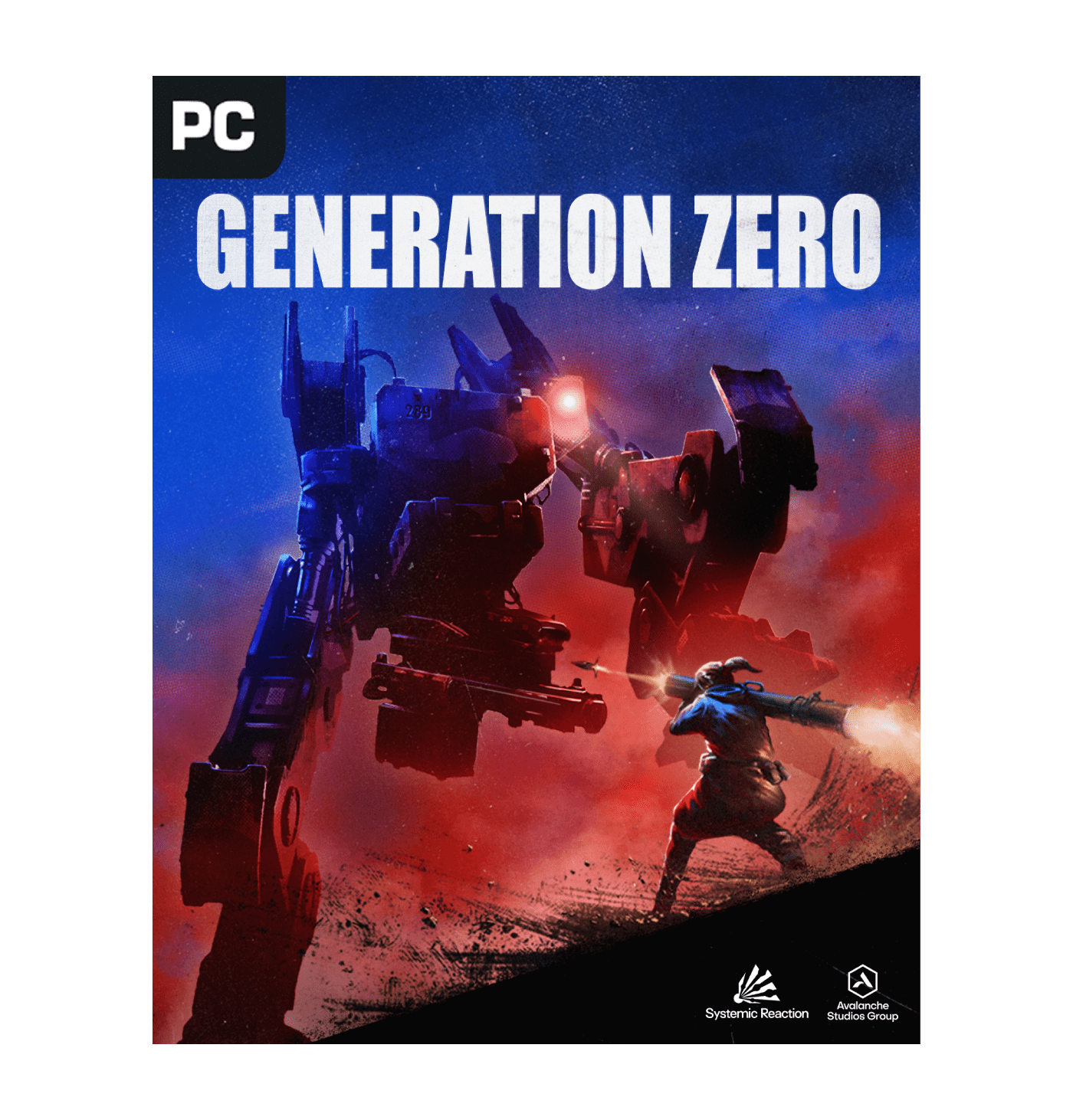
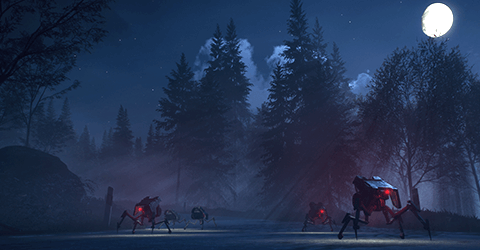
Explore a vast open world, rendered with the award-winning Apex engine, featuring a full day/night cycle with unpredictable weather, complex AI behavior, simulated ballistics, highly realistic acoustics, and a dynamic 1980’s soundtrack.
Experience an explosive game of cat and mouse set in a huge open world. In this reimagining of 1980’s Sweden, hostile machines have invaded the serene countryside, and you need to fight back while unravelling the mystery of what is really going on. By utilizing battle tested guerilla tactics, you’ll be able to lure, cripple, or destroy enemies in intense, creative sandbox skirmishes.
Go it alone, or team-up with up to three of your friends in seamless co-op multiplayer. Collaborate and combine your unique skills to take down enemies, support downed friends by reviving them, and share the loot after an enemy is defeated.
All enemies are persistently simulated in the world, and roam the landscape with intent and purpose. When you manage to destroy a specific enemy component, be it armor, weapons or sensory equipment, the damage is permanent. Enemies will bear those scars until you face them again, whether that is minutes, hours, or weeks later.
Our findings suggest that cheating is a significant problem in online gaming communities. The use of hacks and exploits can create an unfair advantage, and can negatively impact the enjoyment of the game for other players. Our results also suggest that gamers are aware of the risks of cheating, and are willing to take steps to prevent it.
An Exploratory Study on the Perception of Cheating in Online Gaming Communities: A Case Study of Little Puck and Barbie
Online gaming communities have become increasingly popular in recent years, with millions of players worldwide. However, with the rise of online gaming has come the issue of cheating. Cheating can take many forms, including the use of hacks, exploits, and other unfair advantages. In this study, we focus on the perception of cheating in online gaming communities, using Little Puck and Barbie as case studies.
We collected data through online surveys and interviews with gamers. The survey was designed to gather information on gamers' attitudes and behaviors towards cheating, while the interviews provided more in-depth insights into their experiences. We used a convenience sampling method to recruit participants, and collected data from a total of 100 gamers.
The rise of online gaming communities has led to an increase in concerns about cheating and fair play. This study explores the perception of cheating in online gaming communities, using Little Puck and Barbie as case studies. Our research investigates the attitudes and behaviors of gamers towards cheating, and how it affects their online experiences. We collected data through online surveys and interviews with gamers, and analyzed the results to identify trends and patterns. Our findings suggest that gamers have a strong dislike for cheating, and that it can negatively impact their enjoyment of online games.
Our results suggest that gamers have a strong dislike for cheating, with 80% of respondents stating that they believed cheating was unfair. Additionally, 70% of respondents reported that they had encountered cheating in online games, and 60% reported that it had negatively impacted their enjoyment of the game.
In conclusion, our study provides insights into the perception of cheating in online gaming communities. Our findings suggest that gamers have a strong dislike for cheating, and that it can negatively impact their enjoyment of online games. We recommend that game developers take steps to prevent cheating, such as implementing anti-cheat measures and promoting fair play.
Read the latest news from the Generation Zero development team.