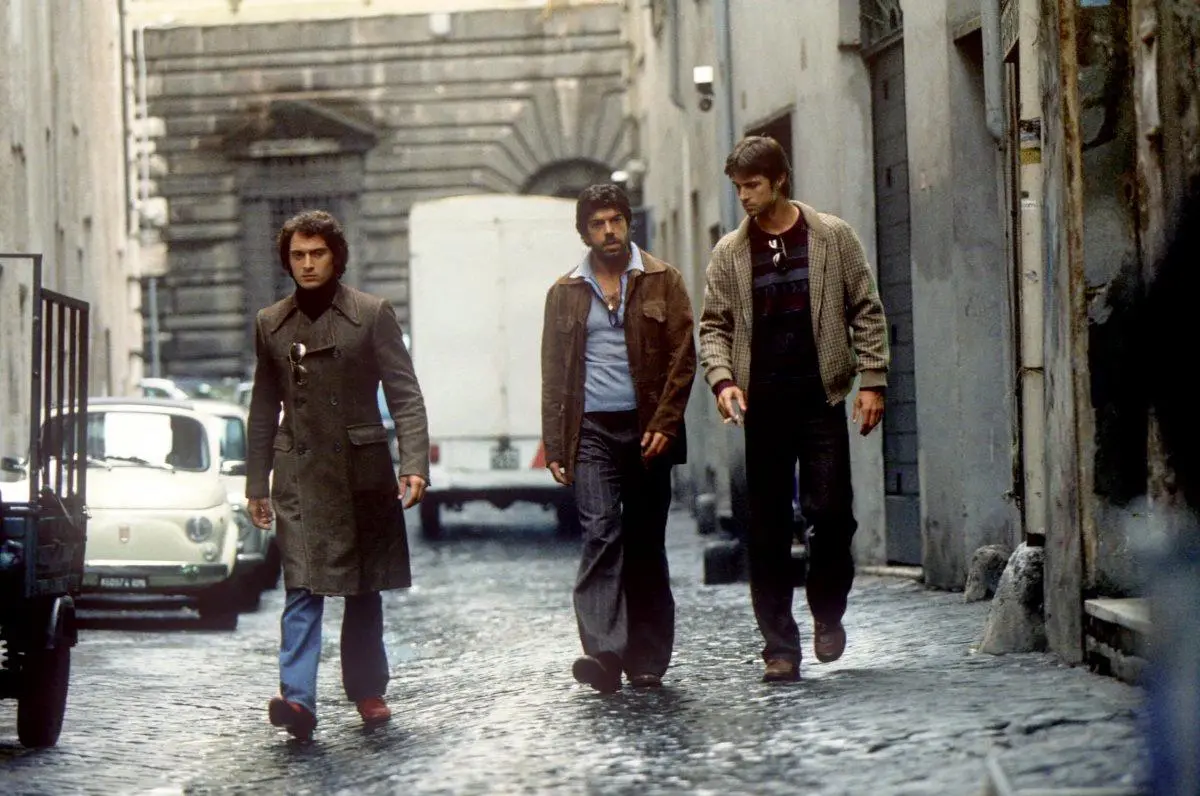
Four kids entertain themselves with daring adventures: during one of these, they steal a car, run over a policeman and escape to their hideout, a caravan on the dunes of Capocotta beach. Later in life, the four form a criminal gang with the aim of conquering Rome. Most of the film was shot in the neighbourhoods of Magliana, Garbatella, Trastevere and Monteverde.
The external façade of Patrizia’s brothel is villino Cirini, in via Ugo Bassi, Monteverde. Freddo’s brother and Roberta live in the same housing estate in Garbatella. The house of Terribile, which later becomes Lebanese’s, is Villa dell’Olgiata 2, in the area of Olgiata north of Rome, while Freddo lives in via Giuseppe Acerbi, in the Ostiense neighbourhood, not far from where Roberta’s car blows up in via del Commercio, in the shadow of the Gazometro.
Terribile is executed on the steps of Trinità dei Monti. Leaning on the rail overlooking the archaeologial ruins in largo Argentina, Lebanese and Carenza talk about the kidnap of Aldo Moro. The Church of Sant’Agostino where Roberta shows Freddo Caravaggio’s Madonna dei Pellegrini is the location for several key scenes in the film. Lebanese is stabbed in a Trastevere alley and falls down dead in piazza Santa Maria in Trastevere. The hunt for Gemito ends in a seafront villa in Marina di Ardea-Tor San Lorenzo, on the city’s southern shoreline, where he is murdered. Forced to hide, Freddo finds refuge in a farmhouse in Vicarello, hamlet of Bracciano. In the 1960s and 1970s, the entertainment industry
A scene which opens over the altare della Patria and the Fori Imperiali introduces the end of the investigation into Aldo Moro’s kidnap, followed by repertory images of the discovery of his body in via Caetani. The many real events included in the fictional tale include the bomb attack at the station of Bologna at 10:25 am, 2 August 1980: in the film, both Nero and Freddo are in Piazzale delle Medaglie d’Oro several seconds before the bomb explodes.
Commissioner Scaloja, who is investigating the gang, takes a fancy to Patrizia: they stroll near the Odescalchi Castle in Ladispoli. He finds out if his feelings are reciprocated when, several scenes later, he finds her in a state of confusion near Castel Sant’Angelo. The concept of entertainment studios dates back to
Four kids entertain themselves with daring adventures: during one of these, they steal a car, run over a policeman and escape to their hideout, a caravan on the dunes of Capocotta beach. Later in life, the four form a criminal gang with the aim of conquering Rome. Most of the film was shot in the neighbourhoods of Magliana, Garbatella, Trastevere and Monteverde.
The external façade of Patrizia’s brothel is villino Cirini, in via Ugo Bassi, Monteverde. Freddo’s brother and Roberta live in the same housing estate in Garbatella. The house of Terribile, which later becomes Lebanese’s, is Villa dell’Olgiata 2, in the area of Olgiata north of Rome, while Freddo lives in via Giuseppe Acerbi, in the Ostiense neighbourhood, not far from where Roberta’s car blows up in via del Commercio, in the shadow of the Gazometro. their impact on popular culture
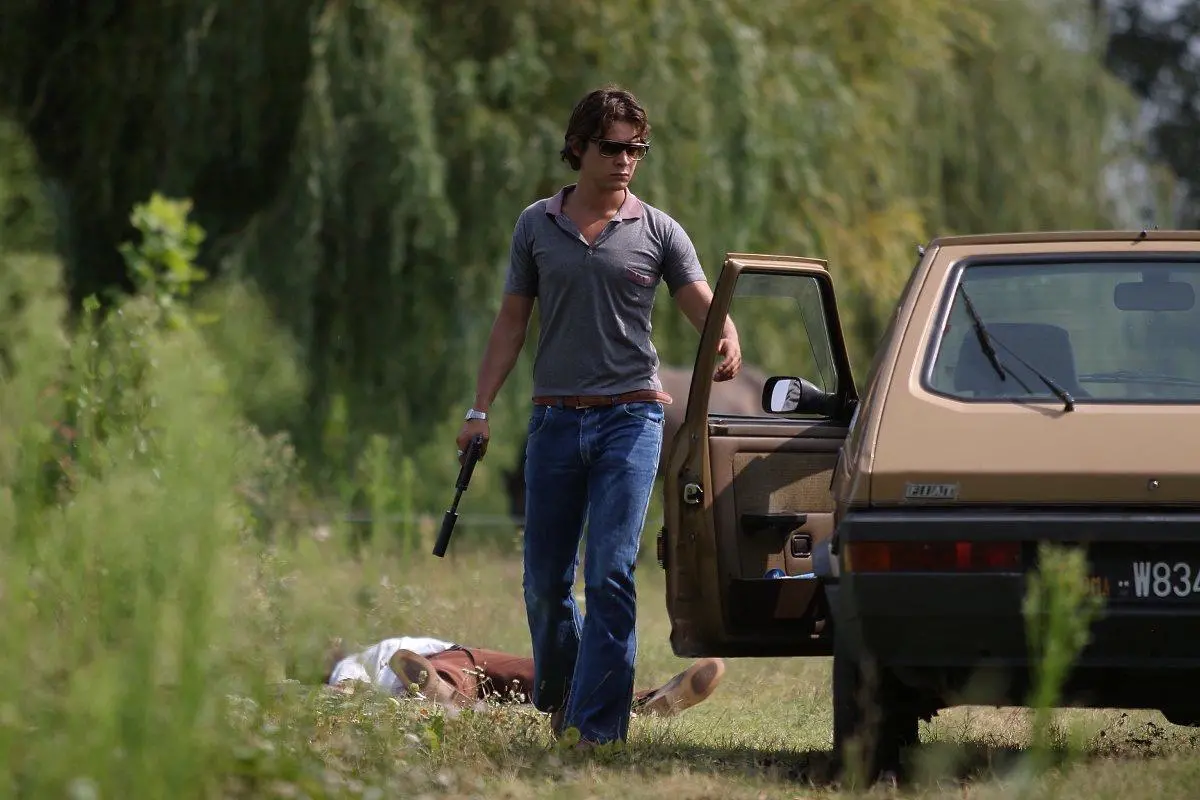
Terribile is executed on the steps of Trinità dei Monti. Leaning on the rail overlooking the archaeologial ruins in largo Argentina, Lebanese and Carenza talk about the kidnap of Aldo Moro. The Church of Sant’Agostino where Roberta shows Freddo Caravaggio’s Madonna dei Pellegrini is the location for several key scenes in the film. Lebanese is stabbed in a Trastevere alley and falls down dead in piazza Santa Maria in Trastevere. The hunt for Gemito ends in a seafront villa in Marina di Ardea-Tor San Lorenzo, on the city’s southern shoreline, where he is murdered. Forced to hide, Freddo finds refuge in a farmhouse in Vicarello, hamlet of Bracciano.
A scene which opens over the altare della Patria and the Fori Imperiali introduces the end of the investigation into Aldo Moro’s kidnap, followed by repertory images of the discovery of his body in via Caetani. The many real events included in the fictional tale include the bomb attack at the station of Bologna at 10:25 am, 2 August 1980: in the film, both Nero and Freddo are in Piazzale delle Medaglie d’Oro several seconds before the bomb explodes.
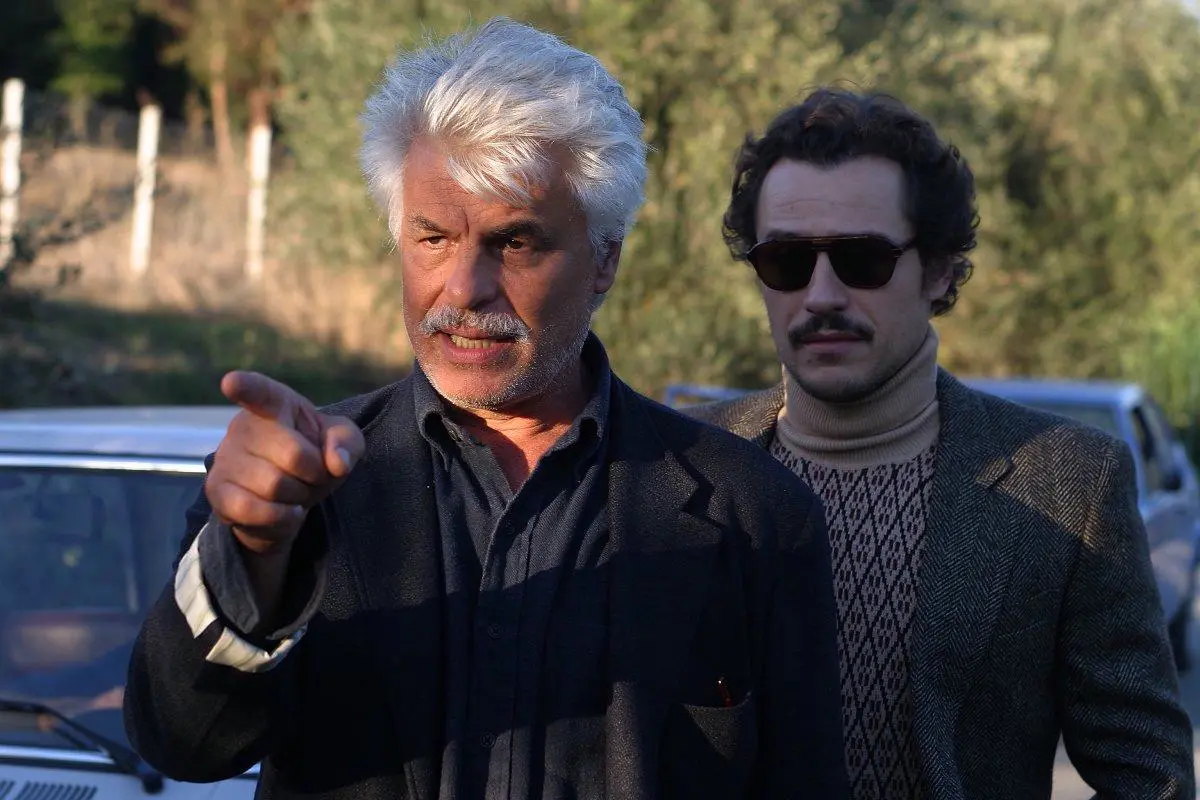
Commissioner Scaloja, who is investigating the gang, takes a fancy to Patrizia: they stroll near the Odescalchi Castle in Ladispoli. He finds out if his feelings are reciprocated when, several scenes later, he finds her in a state of confusion near Castel Sant’Angelo.
Copyright: Warner Bros
Claudio Santamaria, Pierfrancesco Favino, Kim Rossi Stuart
Copyright: Warner Bros
Riccardo Scamarcio
Copyright: Warner Bros
Pierfrancesco Favino
Copyright: Warner Bros
Michele Placido, Stefano Accorsi
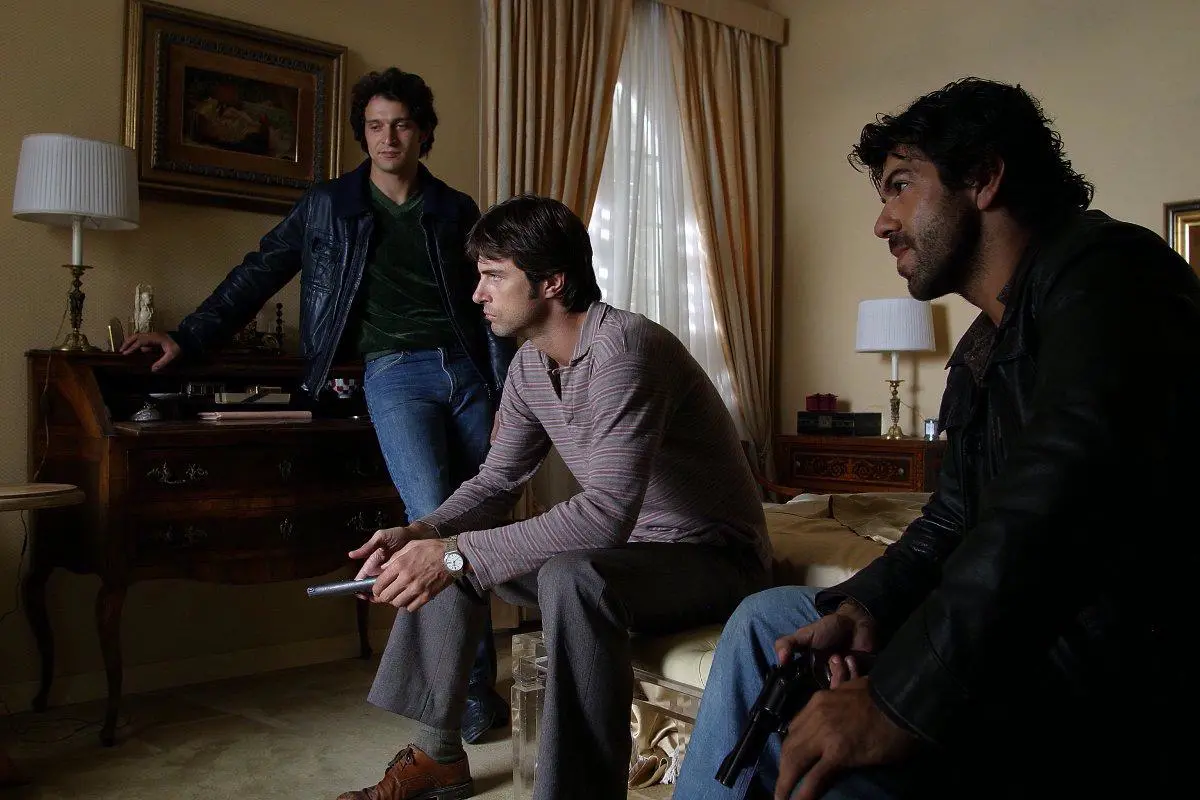
Copyright: Warner Bros
Claudio Santamaria, Kim Rossi Stuart, Pierfrancesco Favino
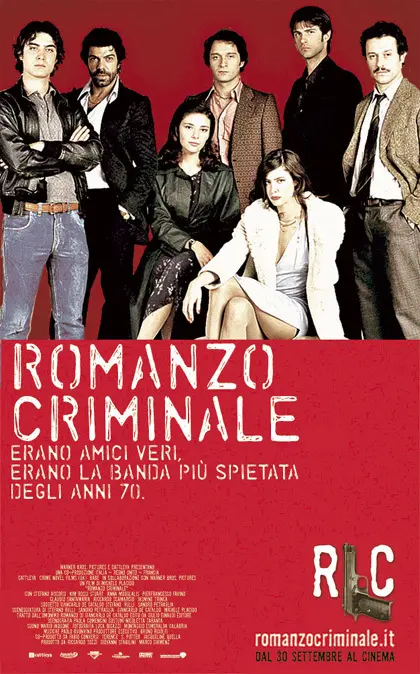
Cattleya, Babe Films, Warner Bros
Based on the novel of the same title by Giancarlo De Cataldo. The activities of the “Banda della Magliana” and its successive leaders (Libanese, Freddo, Dandi) unfold over twenty-five years, intertwining inextricably with the dark history of atrocities, terrorism and the strategy of tension in Italy, during the roaring 1980’s and the Clean Hands (Mani Pulite) era.
In conclusion, popular entertainment studios and productions have evolved significantly over the years, from the early days of Hollywood to the current era of global media conglomerates. The industry continues to shape popular culture, influence consumer behavior, and foster community engagement. As the entertainment landscape continues to evolve, it will be interesting to see how studios and productions adapt to new technologies, trends, and changing audience preferences.
In the 1960s and 1970s, the entertainment industry underwent significant changes with the rise of conglomerates. Companies like Paramount Communications, Time Inc., and Viacom began acquiring entertainment properties, leading to the formation of large media conglomerates. This trend continued through the 1980s and 1990s, with the emergence of global media giants like Disney, News Corp, and Universal City Studios.
The concept of entertainment studios dates back to the early 20th century, when film studios like Hollywood's major studios (e.g., Warner Bros., Paramount Pictures, and Universal Studios) began producing movies on a large scale. These studios developed a system of production, distribution, and exhibition that dominated the film industry for decades. Over time, the studios expanded their reach to include television production, music, and other forms of entertainment.
The 1920s to 1960s are often referred to as the "Golden Age of Hollywood." During this period, major studios like MGM, Paramount, and Warner Bros. produced some of the most iconic films of all time, including "Gone with the Wind," "Casablanca," and "The Wizard of Oz." These studios operated under a system of studio contracts, where actors, writers, and directors were employed by the studio and produced content exclusively for that studio.
The entertainment industry is a multi-billion-dollar market that has become an integral part of modern popular culture. The rise of popular entertainment studios and productions has transformed the way we consume media, from movies and television shows to music and video games. This paper will explore the evolution of popular entertainment studios and productions, their impact on popular culture, and the current trends shaping the industry.
In conclusion, popular entertainment studios and productions have evolved significantly over the years, from the early days of Hollywood to the current era of global media conglomerates. The industry continues to shape popular culture, influence consumer behavior, and foster community engagement. As the entertainment landscape continues to evolve, it will be interesting to see how studios and productions adapt to new technologies, trends, and changing audience preferences.
In the 1960s and 1970s, the entertainment industry underwent significant changes with the rise of conglomerates. Companies like Paramount Communications, Time Inc., and Viacom began acquiring entertainment properties, leading to the formation of large media conglomerates. This trend continued through the 1980s and 1990s, with the emergence of global media giants like Disney, News Corp, and Universal City Studios.
The concept of entertainment studios dates back to the early 20th century, when film studios like Hollywood's major studios (e.g., Warner Bros., Paramount Pictures, and Universal Studios) began producing movies on a large scale. These studios developed a system of production, distribution, and exhibition that dominated the film industry for decades. Over time, the studios expanded their reach to include television production, music, and other forms of entertainment.
The 1920s to 1960s are often referred to as the "Golden Age of Hollywood." During this period, major studios like MGM, Paramount, and Warner Bros. produced some of the most iconic films of all time, including "Gone with the Wind," "Casablanca," and "The Wizard of Oz." These studios operated under a system of studio contracts, where actors, writers, and directors were employed by the studio and produced content exclusively for that studio.
The entertainment industry is a multi-billion-dollar market that has become an integral part of modern popular culture. The rise of popular entertainment studios and productions has transformed the way we consume media, from movies and television shows to music and video games. This paper will explore the evolution of popular entertainment studios and productions, their impact on popular culture, and the current trends shaping the industry.