Find out if your music will be turned down by YouTube, Spotify, TIDAL, Apple Music and more. Discover your music's Loudness Penalty score, for free.

Drag and drop an audio file here

Choose an audio file

MP3 or WAV

select a file

Your file will not be uploaded, stored or shared, meaning this process is secure and anonymous.

Online streaming services are turning down loud songs.

We all hate sudden changes in loudness - they're the #1 source of user complaints.

To avoid this and save us from being "blasted" unexpectedly, online streaming services measure loudness, and turn down music recorded at higher levels. We call this reduction the "Loudness Penalty" - the higher the level your music is mastered at, the bigger the penalty could be. But all the streaming services achieve this in different ways, and give different values, which makes it really hard to know how big the Loudness Penalty will be for your music...

Until now.

Simply select any WAV, MP3 or AAC file above, and within seconds we'll provide you with an accurate measurement of the Loudness Penalty for your music on many of the most popular music streaming services, and allow you to preview how it will sound for easy comparison with your favorite reference material.

Your file will not be uploaded, meaning this process is secure and anonymous.

Do you have any questions? Get in touch.

Processing audio

(but NOT uploading)

RESULTS (in dB)

0 YouTube
0 Spotify
0 TIDAL
0 Apple
0 Apple (Legacy)
0 Amazon
0 Pandora
0 Deezer

Want to take control of the Loudness Penalty for your music?

Find out how to optimize your music for impactful, punchy playback (and maximum encode quality) for all the online streaming services. Plus, receive a Loudness Penalty Report for your file that explains in detail what all the numbers mean.

Analyze another file

We just sent you an email with your report!

Analyze another file Visit MeterPlugs.com

Anurag — 9 Pro Serial Key Exclusive

In any case, the user's request is for an "exclusive" serial key, which is a strong indicator of piracy. My response should inform them about the risks involved, like malware or legal consequences. Also, emphasize the importance of supporting developers by purchasing legitimate copies.

If I were to create a text in their requested format, I need to avoid providing any actual keys. Instead, guide them towards finding it legally. But since they asked for a text that looks into it, maybe a hypothetical example of how to find one, but clearly marking that sharing keys is wrong. Also, mention alternatives like free or open-source software if available. anurag 9 pro serial key exclusive

The user might also be looking for an activation key, possibly because they lost theirs. In that case, they should contact customer support for assistance. Alternatively, maybe there's a common issue with activation that users face, and the user is seeking a solution. But without more context, it's hard to say. In any case, the user's request is for

Putting it all together, the response should be informative, guide them to the right channels, and warn against illegal activities. Need to make sure the tone is helpful but discourages any unethical behavior. If I were to create a text in

I should also consider that "Anurag 9 Pro" could be a typo. Maybe they meant a different software with a similar name. For example, there's "Ankur Software" or other accounting programs in India. Could be a regional software. That might explain the name.

Wait, the user is asking for a serial key. That suggests they want to bypass paying for the software, which is a red flag. They might be looking for a pirated key. I should consider the legal and ethical implications here. Sharing or creating pirated keys is against the law and violates terms of service.
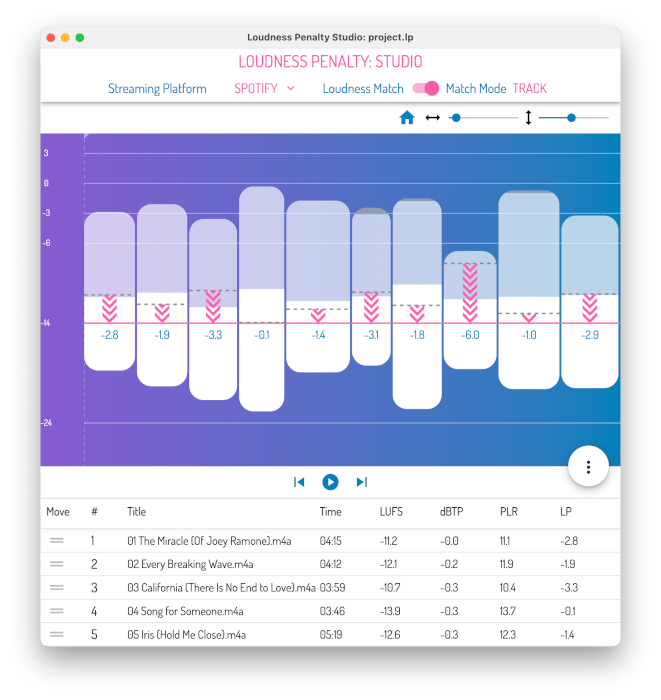
Scroll down to learn more about "Loudness Penalty"
Scroll down to learn what these numbers mean